
Indonesia's vice president Gibran Rakabuming Raka resigns
Indonesian Vice President Gibran Rakabuming Raka resigned on Thursday 12 November, about two years into a five-year term, and President Prabowo Subianto accepted the resignation. His letter gave no reason.
2 min read
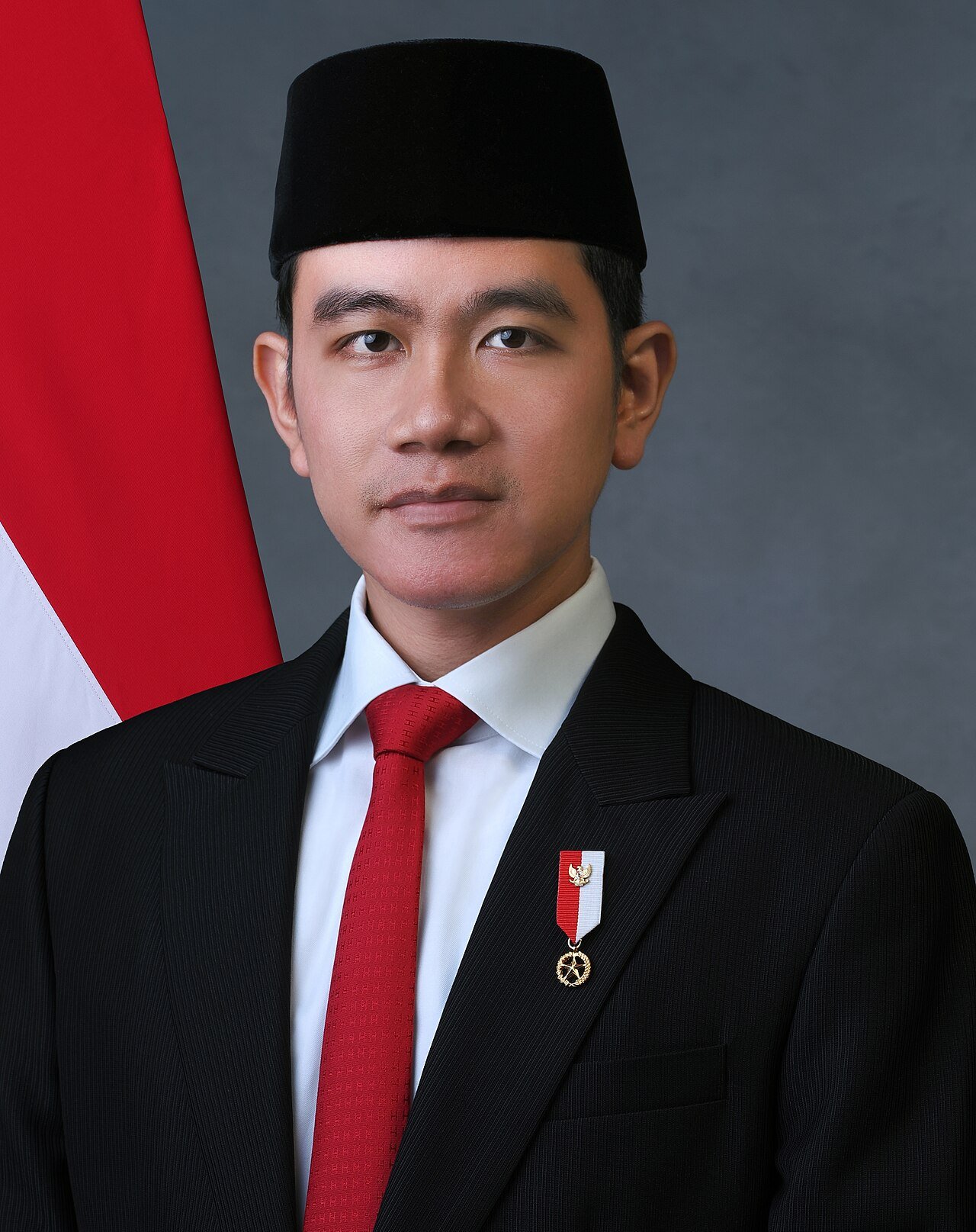
Gibran Rakabuming Raka resigned as Indonesia's vice president on Thursday 12 November, according to Indonesia's state news agency Antara and the Turkish news agency Anadolu. Anadolu said he is the first directly elected Indonesian vice president to leave office before completing a five-year term.
Gibran, 39, is the son of former President Joko Widodo. He was elected in 2024 as the running mate of President Prabowo Subianto.
The letter
Gibran handed his resignation letter to leaders of the People's Consultative Assembly (MPR) in a 20-minute meeting at the parliamentary complex in Jakarta, Antara reported. MPR Speaker Ahmad Muzani read out its main points to reporters.
In the letter, Gibran said he was resigning "at my own request" and "with full awareness, in the interests of the nation and state", according to Antara. "I believe the state and the Indonesian people must be protected above myself," he wrote. Muzani said the letter gave no specific reason.
Prabowo accepts
Prabowo told a press conference at Merdeka Palace that Gibran had personally handed him the letter at 10:15 that morning, Antara reported. "With a heavy heart, I accept the letter and fully respect and support his decision," Prabowo said. He called the decision "chivalrous" and "statesmanlike" and said Gibran had "performed his duties well".
The presidential palace had confirmed on Tuesday that Gibran intended to resign, and Prabowo had opposed the idea at the time, according to Antara. Anadolu reported that State Secretary Prasetyo Hadi said Gibran told Prabowo of the plan in a meeting lasting about two and a half hours.
Background
Anadolu reported that Gibran had faced legal challenges at the Constitutional Court and the Supreme Court over his educational documents, and that at least 120 lawmakers had moved to use a parliamentary right to express an opinion about him, a step linked to impeachment. His resignation effectively ended that effort, Anadolu said.
Speaking to reporters in Solo, Central Java, Joko Widodo said political posts involve political dynamics and that "positions are temporary", Anadolu reported. He said his family would continue to support Prabowo's government.
What happens next
Muzani said that "as of today, the office of vice president of the Republic of Indonesia is vacant" and that the MPR must fill it "within 60 days at the latest", Antara reported. MPR leaders scheduled a joint meeting with faction leaders and the Regional Representatives Council for 2 p.m. Jakarta time on Friday 13 November to set a date for a plenary session, ask Prabowo to nominate two candidates and form teams to verify the candidates and draft an MPR decree, according to Antara. Anadolu reported that Prabowo must nominate two candidates within 14 days.
How this story was sourced.
4 sources from 2 organisations.
News organisations 4
Reports by other newsrooms. Where a story was carried by another outlet, both are named.
- Antara Gibran resigns as vice president, letter gives no reason: MPR en.antaranews.com
- Antara Prabowo accepts Gibran's resignation, praises his performance en.antaranews.com
- Antara MPR says Gibran's resignation leaves Indonesia's VP post vacant en.antaranews.com
- Anadolu Agency Indonesian vice president resigns before completing 5-year term aa.com.tr
The sources as the story lists them
Read next
More World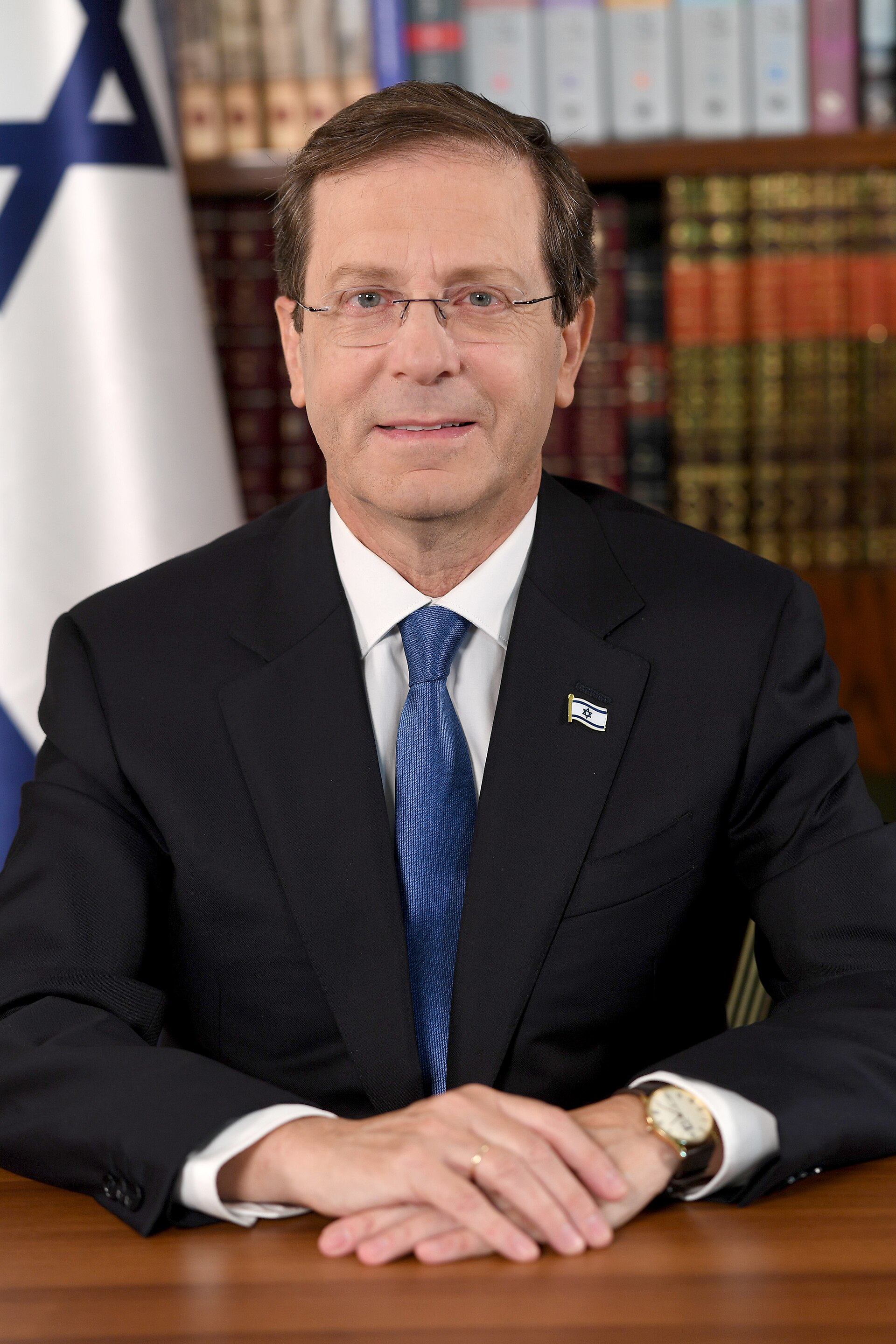 Avi Ohayon, CC BY-SA 3.0
Eisenkot leads Netanyahu in recommendations as Herzog weighs who forms Israel's government
Opposition leader Gadi Eisenkot finished President Isaac Herzog's consultations with 67 recommendations to Benjamin Netanyahu's 46, after the ultra-Orthodox United Torah Judaism declined to back the prime minister. Herzog has said he will name a candidate to form a government on Sunday.
 Erica Fischer, CC BY 2.0
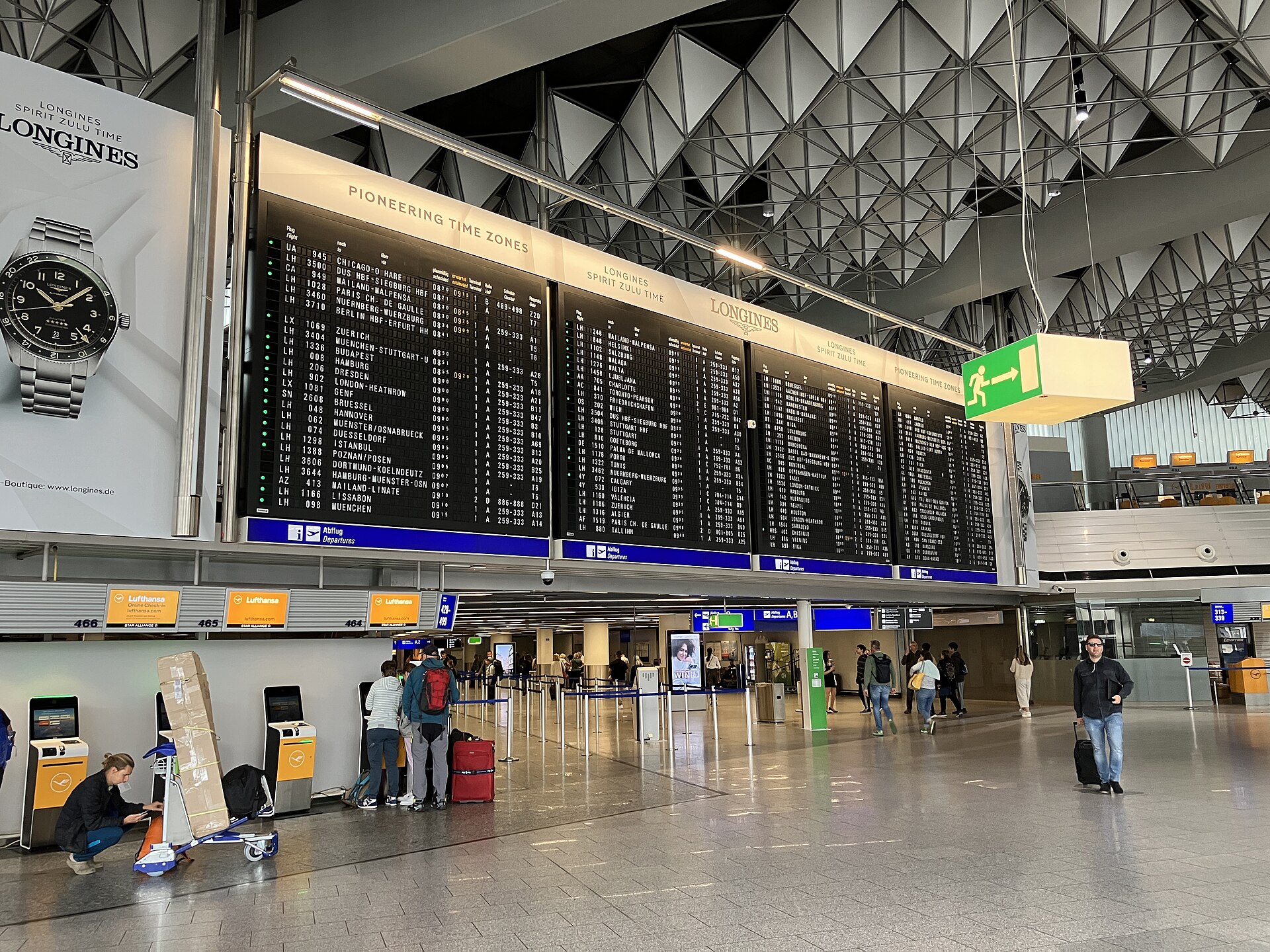
Hoax bomb threats disrupt at least 27 flights across Europe in second wave this week
Emailed and telephoned bomb threats forced diversions, fighter escorts and searches on at least 27 passenger flights across Europe on Thursday 5 November, two days after a smaller wave. No explosives were found and no one has claimed responsibility.
 Jeanne Menjoulet, CC BY 4.0
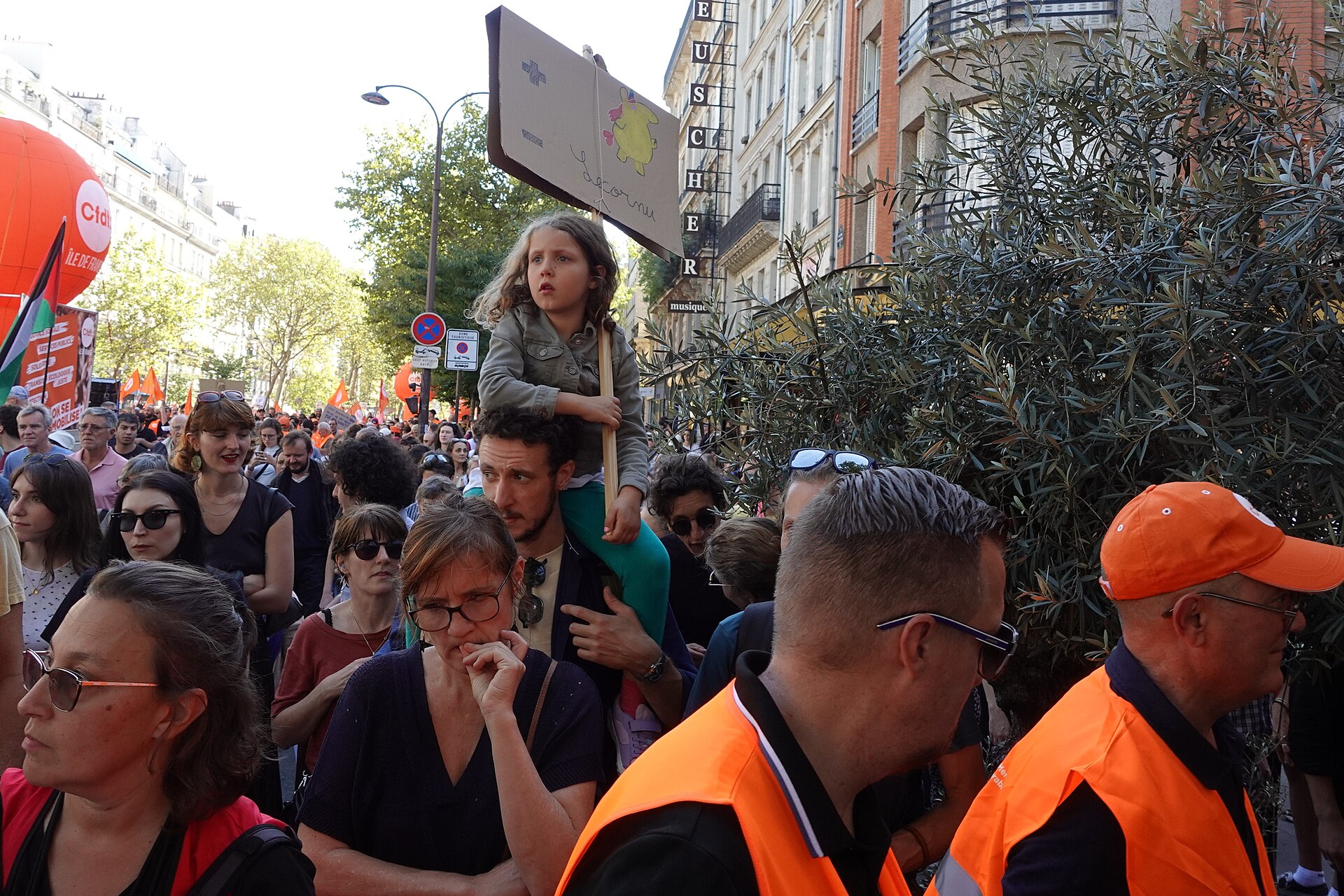
Hundreds of thousands march in France as unions strike over wages and schools
France's interior ministry said 575,000 people joined strikes and marches on Thursday 5 November over pay, living costs and school conditions; unions put the figure at 1.6 million. Most rallies were peaceful, but 448 people were arrested.
 VOA, public domain
Hong Kong activist Joshua Wong jailed for 10 years for colluding with foreign forces
Hong Kong's High Court sentenced the pro-democracy activist Joshua Wong to 10 years in prison on Thursday 5 November after he pleaded guilty to conspiring to collude with foreign forces under the national security law.