
NASA's Swift observatory falls to Earth after failed rescue attempt
The gamma-ray observatory re-entered over northern Sumatra on 4 November, almost 22 years after launch, after a commercial mission to raise its orbit was called off.
2 min read
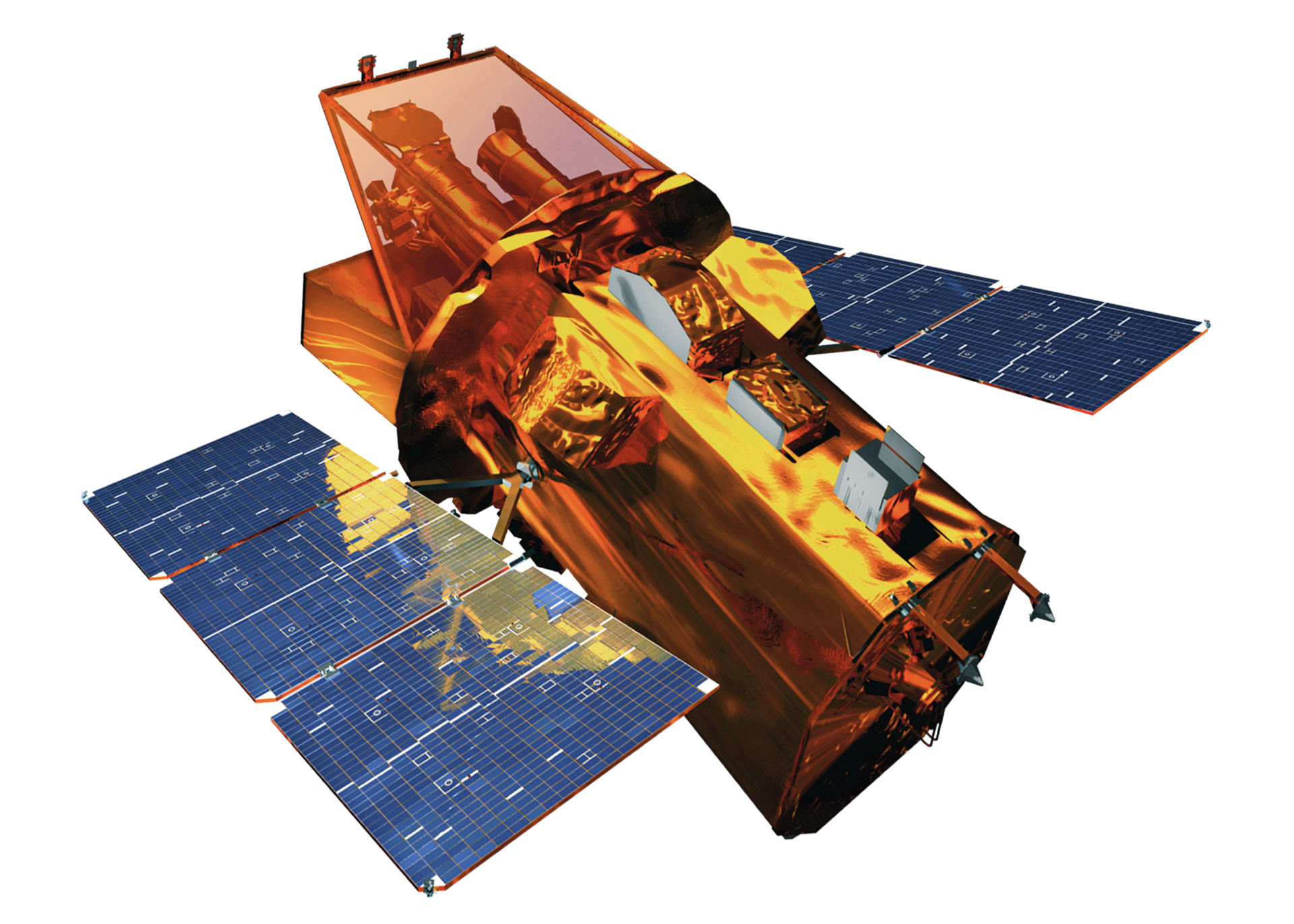
NASA's Neil Gehrels Swift Observatory re-entered Earth's atmosphere on Wednesday 4 November 2026, ending a mission that began in 2004. The US Space Force confirmed the re-entry at 7:39 a.m. EST (12:39 UTC) over the North Sumatra region of Indonesia, at about 3.4 degrees north and 98.6 degrees east, NASA said.
How this story was sourced.
4 sources from 2 organisations, 3 of them official or primary documents.
Official and primary documents 3
The body that made the decision, the paper, or the organisation’s own release.
News organisations 1
Reports by other newsrooms. Where a story was carried by another outlet, both are named.
The story so far. More on Space and Astronomy.
- Voyager 1 will be one light-day from Earth on 18 November: what that means NASA's most distant spacecraft is about to sit so far away that a radio signal takes a full day to reach it, weeks after a brief loss of contact and a power-saving overhaul.
- NASA asks industry how it could boost, upgrade or safely retire Hubble With the telescope expected to fall back into the atmosphere in 2033 or 2034, NASA issued a request for information on 29 October. Responses are due on 30 November.
- ESA's Hera probe sees the asteroid DART struck as a separate object for the first time Europe's planetary-defence spacecraft resolved Didymos and its small moon Dimorphos from about 1,280 km away, and ESA plans to release the first detailed images of Dimorphos on 25 November.
Read next
More Science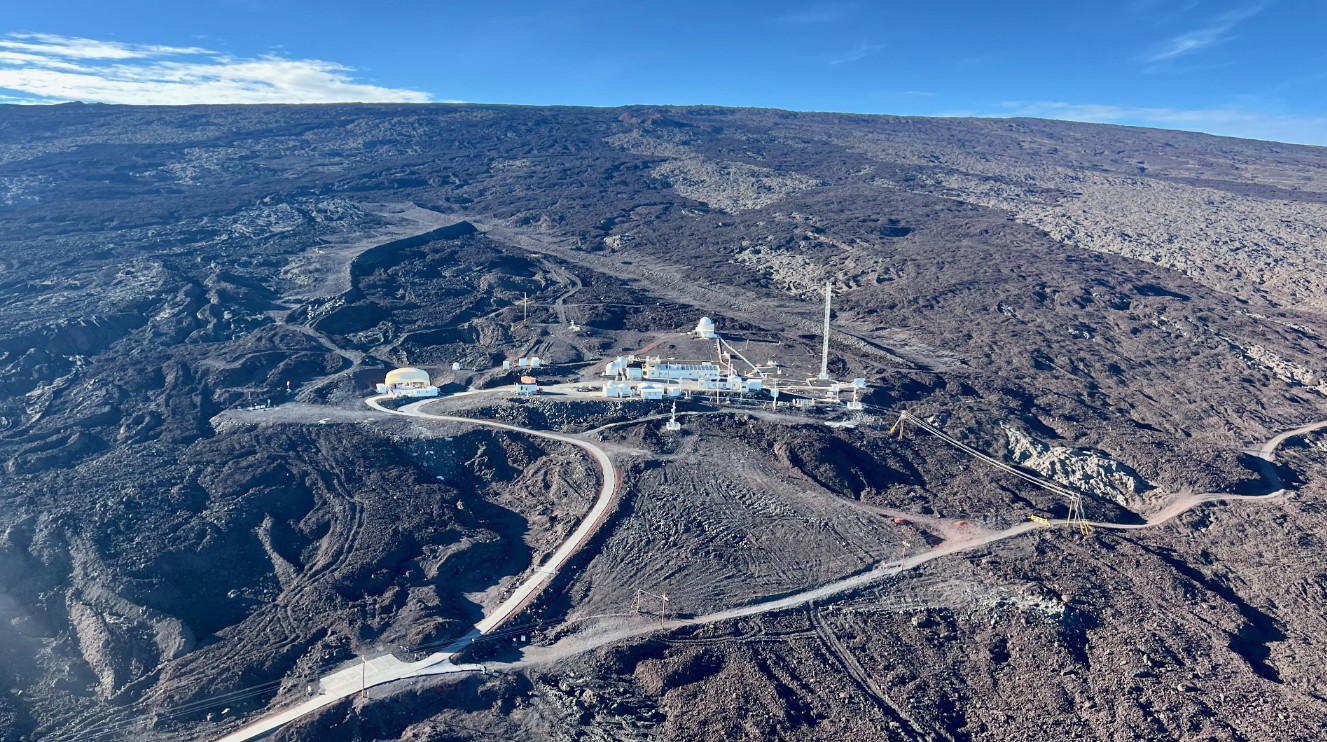 Brian Vasel/NOAA, public domain
Greenhouse gas levels reached new records in 2025, WMO bulletin says
Carbon dioxide averaged 426.8 parts per million at the Earth's surface last year, the World Meteorological Organization said on 27 October, with methane and nitrous oxide also at record highs.
 Geoff Charles, CC BY-SA 4.0
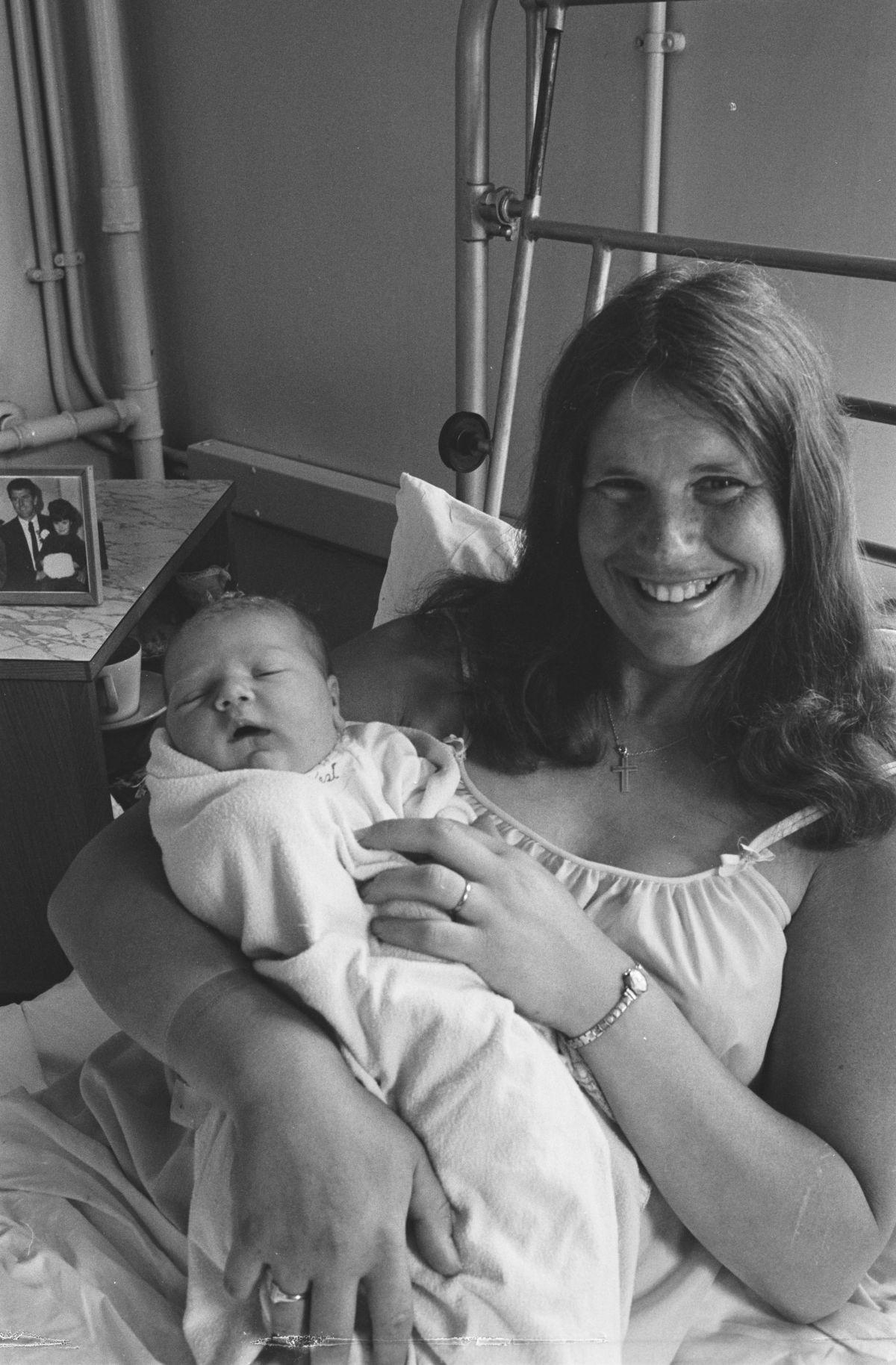
More US newborns are missing the vitamin K shot, and bleeding risk is higher, study finds
A JAMA study of more than 5.2 million US births found the share of newborns not given vitamin K more than doubled between 2017 and 2025, and those infants had higher rates of bleeding, including bleeding in the brain.
 John Gregoire, NASA/JPL, public domain
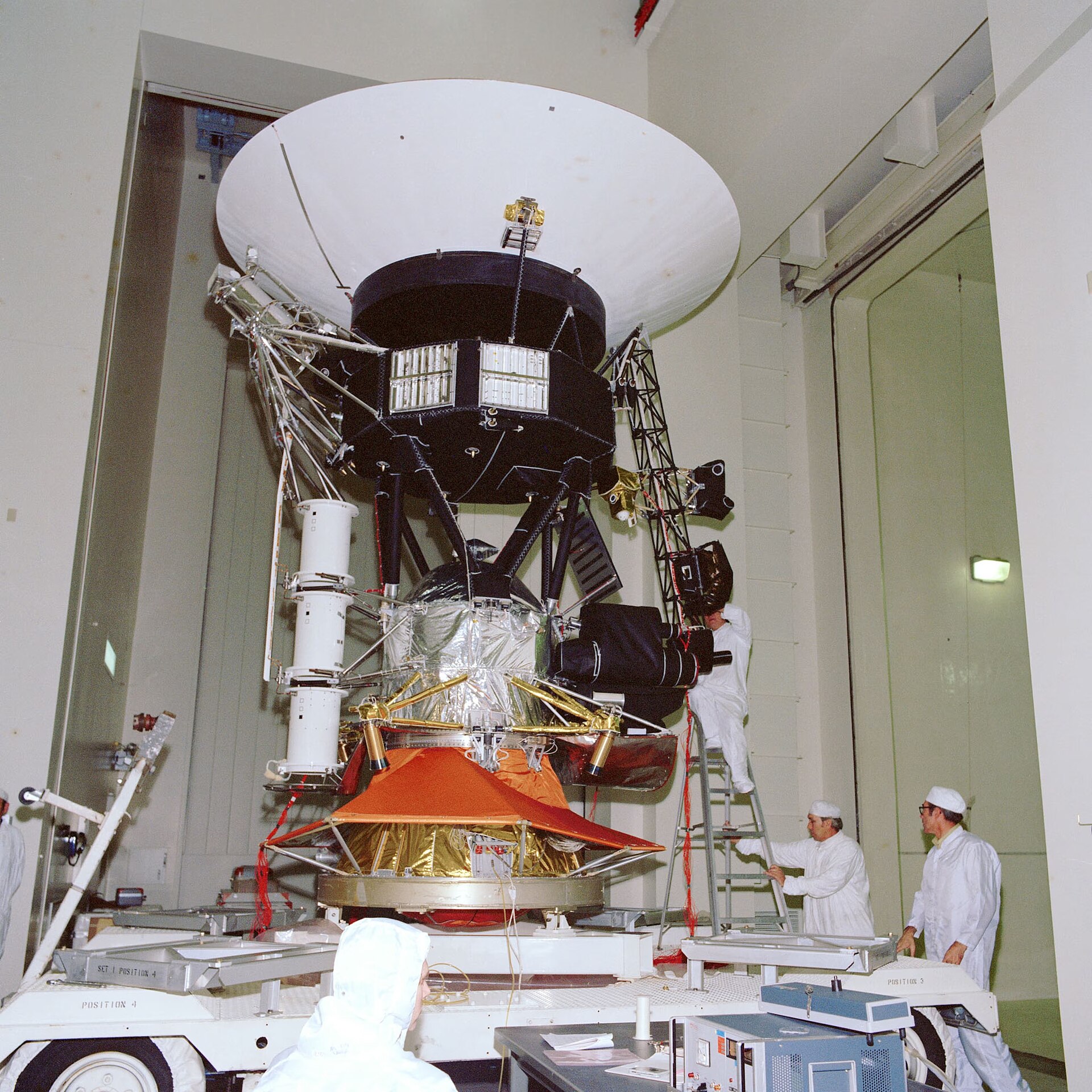
Voyager 1 will be one light-day from Earth on 18 November: what that means
NASA's most distant spacecraft is about to sit so far away that a radio signal takes a full day to reach it, weeks after a brief loss of contact and a power-saving overhaul.
 Alisdare Hickson, CC BY-SA 4.0
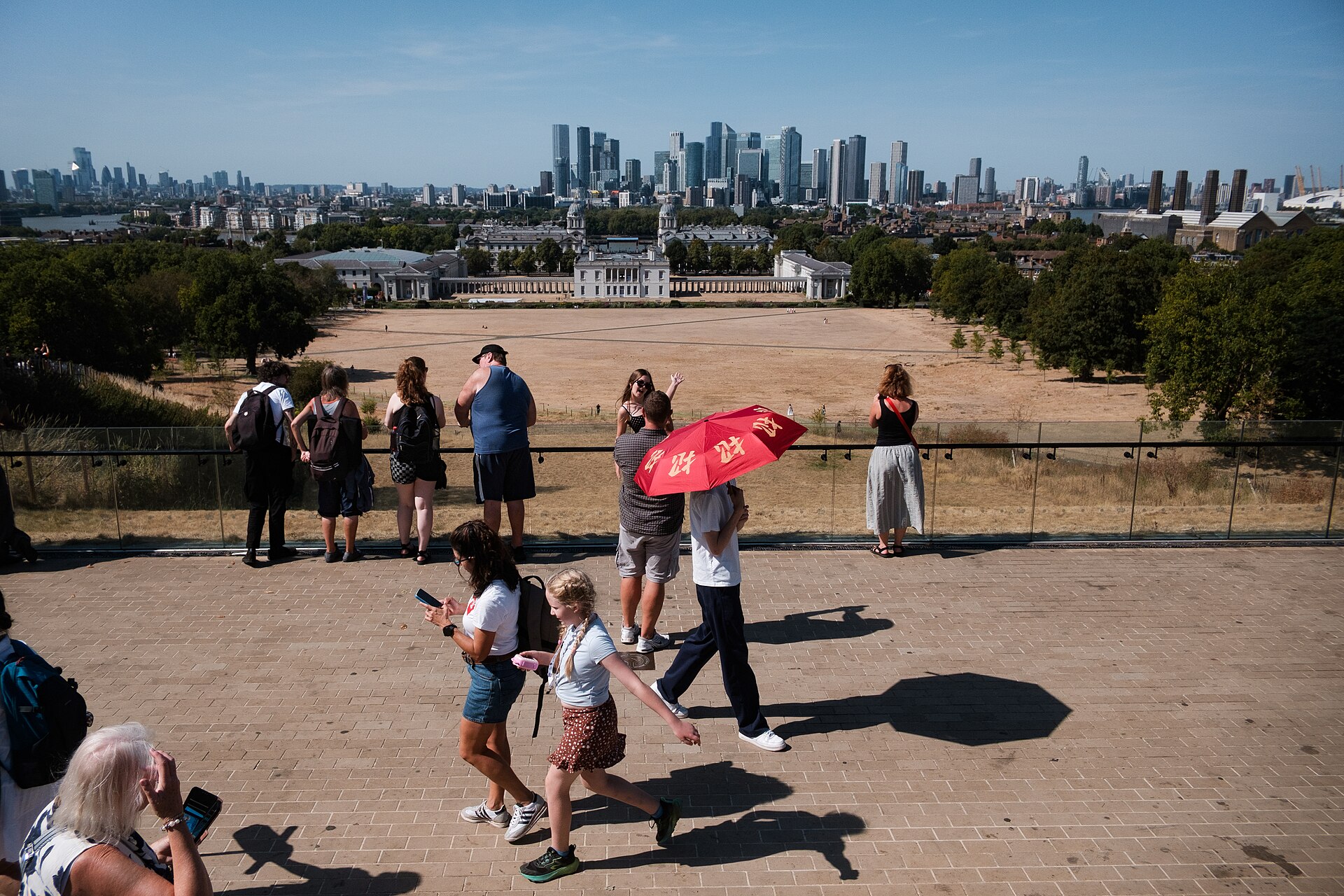
Lancet Countdown calls climate change a health emergency as heat deaths hit record
The 2026 Lancet Countdown report estimates that heat was linked to about 710,000 deaths in 2023 and, for the first time, attributes more than 70% of that toll to human-caused warming.