
FDA has stopped advancing fast-track drug voucher programme, Reuters reports; agency says pilot continues
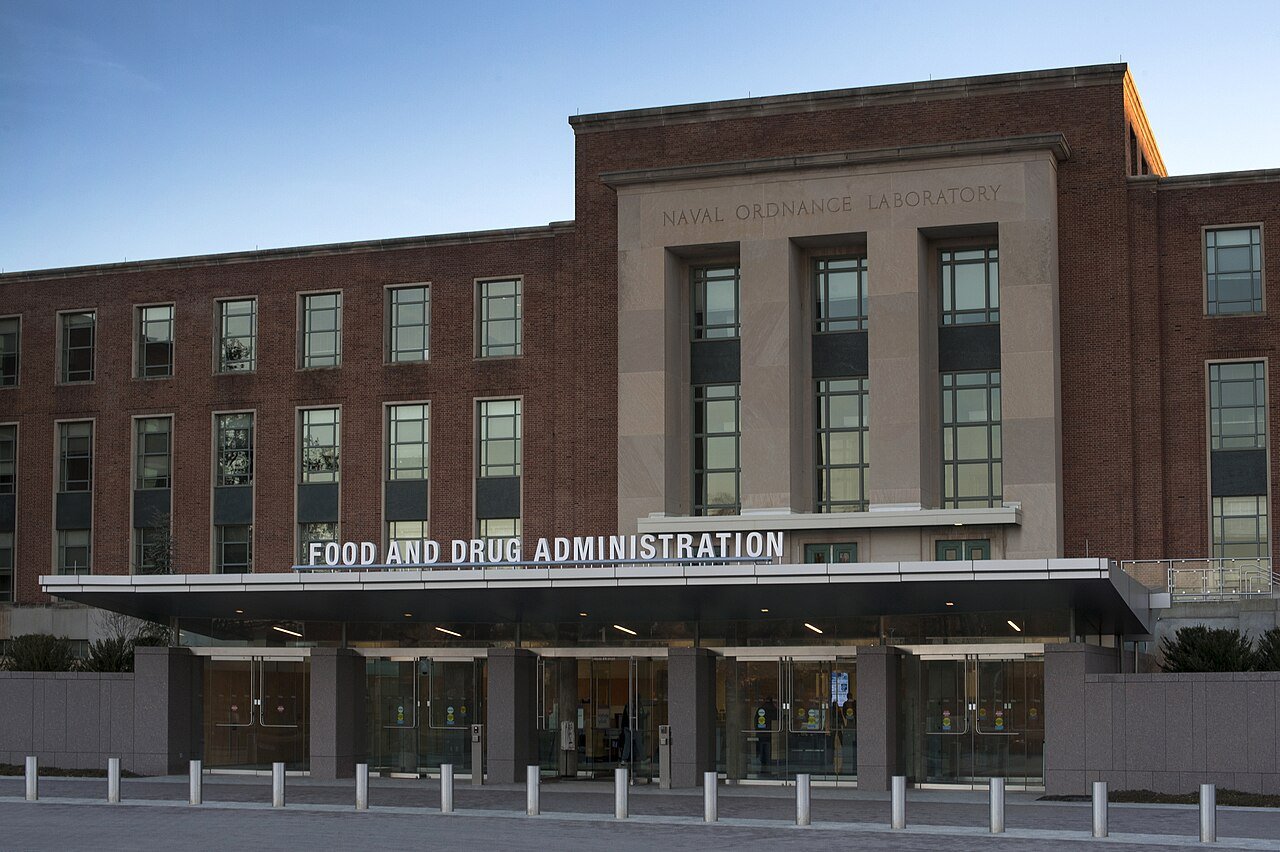
The US Food and Drug Administration has shelved its Commissioner's National Priority Voucher programme for speedy drug reviews, Reuters reported on Thursday, November 12, 2026, citing unnamed sources; the FDA and HHS said the pilot is ongoing.
2 min read
In this story
The US Food and Drug Administration has stopped advancing its Commissioner's National Priority Voucher programme, a pilot designed to cut drug reviews to one or two months, Reuters reported on Thursday, November 12, 2026, citing six people familiar with the matter and internal documents. The FDA and the Department of Health and Human Services dispute that account and say the pilot is continuing.
What was reported
According to Reuters, as reported by BioSpace and Pharmacy Times, agency leadership has told companies that the FDA is not moving forward with the programme but is keeping applications open. One source told Reuters that applications already submitted are not advancing.
Reuters also reported, according to BioSpace, that an executive council of political appointees that had overseen reviews under the programme "has gone dormant," citing internal documents. For the drugs still in the programme, FDA career scientists have resumed overseeing review timelines, two sources told Reuters, according to Pharmacy Times.
These accounts rely on unnamed sources; the FDA has not announced any change to the programme.
The agency's response
An FDA spokesperson told BioSpace by email that "work under the Commissioner's National Priority Voucher (CNPV) Pilot Program is ongoing" and that "FDA career staff continues to evaluate applications granted a CNPV." The spokesperson said the agency would "meet commitments for accelerated review and enhanced engagement" while it assesses lessons from the pilot.
HHS spokesperson Emily Hilliard said "the pilot is ongoing," according to Pharmacy Times, and HHS said the FDA was reviewing feedback from a June 4, 2026 public hearing to refine the framework.
The programme's record
The programme was launched in June 2025 under former FDA Commissioner Marty Makary, who left the agency in May 2026. It offered faster reviews, with targets of one to two months instead of the usual ten to twelve, for products tied to national priorities such as public health crises, unmet medical needs, domestic manufacturing and affordability, Pharmacy Times reported.
Twenty-two drugs have received vouchers and twelve of them have been approved, five since Makary's departure, according to BioSpace and Pharmacy Times. No new vouchers have been awarded since he left, both outlets reported. Pharmacy Times reported that nine drugs remain in the programme. Approved voucher holders include Novo Nordisk's higher-dose Wegovy, Eli Lilly's Foundayo (orforglipron), Merck's Lipfendra (enlicitide) and Revolution Medicines' Rasonque (daraxonrasib), according to Pharmacy Times.
The FDA has been without a confirmed commissioner since Makary's departure. A Senate committee vote on the nomination of Heidi Overton to lead the agency is scheduled for November 18, BioSpace reported.
What it means for drugmakers
RBC Capital Markets said there had been no official FDA guidance on the programme and that it was unclear how any change would affect companies that already hold a voucher, according to BioSpace. Among recent applicants holding vouchers are Compass Pathways and the Usona Institute, which have submitted psilocybin-based treatments for depression, BioSpace reported.
How this story was sourced.
3 sources from 3 organisations.
News organisations 3
Reports by other newsrooms. Where a story was carried by another outlet, both are named.
- BioSpace FDA's commissioner voucher program reportedly shuttered ahead of Senate vote on Overton biospace.com
- Pharmacy Times FDA Reportedly Shelves Commissioner's National Priority Voucher Program pharmacytimes.com
- Reuters US FDA shelves commissioner's voucher program for speedy drug reviews, sources say reuters.com
The sources as the story lists them
Read next
More Science Brian Vasel/NOAA, public domain
Greenhouse gas levels reached new records in 2025, WMO bulletin says
Carbon dioxide averaged 426.8 parts per million at the Earth's surface last year, the World Meteorological Organization said on 27 October, with methane and nitrous oxide also at record highs.
 Geoff Charles, CC BY-SA 4.0
More US newborns are missing the vitamin K shot, and bleeding risk is higher, study finds
A JAMA study of more than 5.2 million US births found the share of newborns not given vitamin K more than doubled between 2017 and 2025, and those infants had higher rates of bleeding, including bleeding in the brain.
 NASA E/PO, Sonoma State University/Aurore Simonnet, public domain
NASA's Swift observatory falls to Earth after failed rescue attempt
The gamma-ray observatory re-entered over northern Sumatra on 4 November, almost 22 years after launch, after a commercial mission to raise its orbit was called off.
 John Gregoire, NASA/JPL, public domain
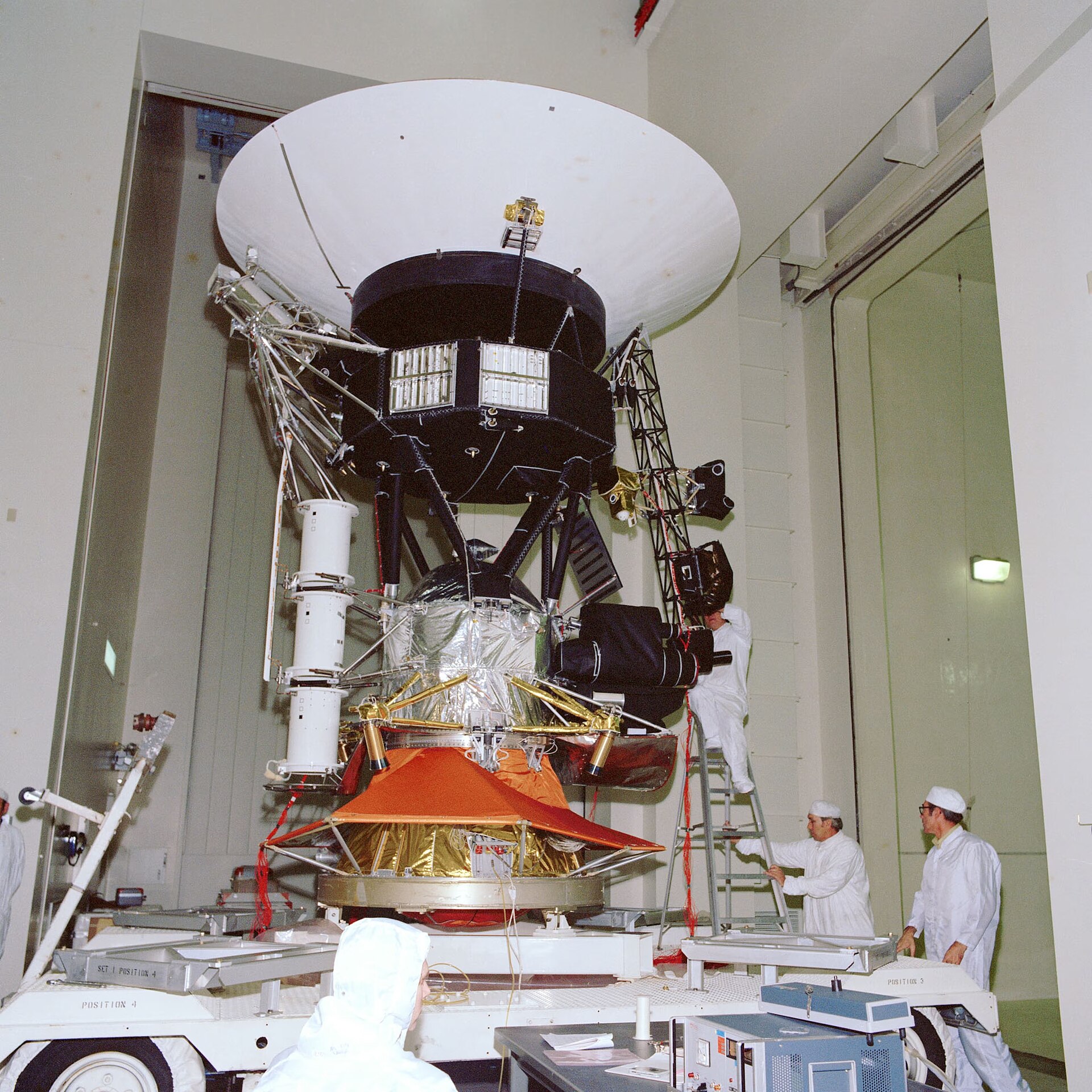
Voyager 1 will be one light-day from Earth on 18 November: what that means
NASA's most distant spacecraft is about to sit so far away that a radio signal takes a full day to reach it, weeks after a brief loss of contact and a power-saving overhaul.