
Base editing corrects alpha-1 antitrypsin gene defect in a patient's liver, case report shows
A one-off infusion of an experimental base-editing therapy corrected more than half of the faulty gene copies in a 66-year-old man's liver. The peer-reviewed evidence so far is that single case.
3 min read
In this story
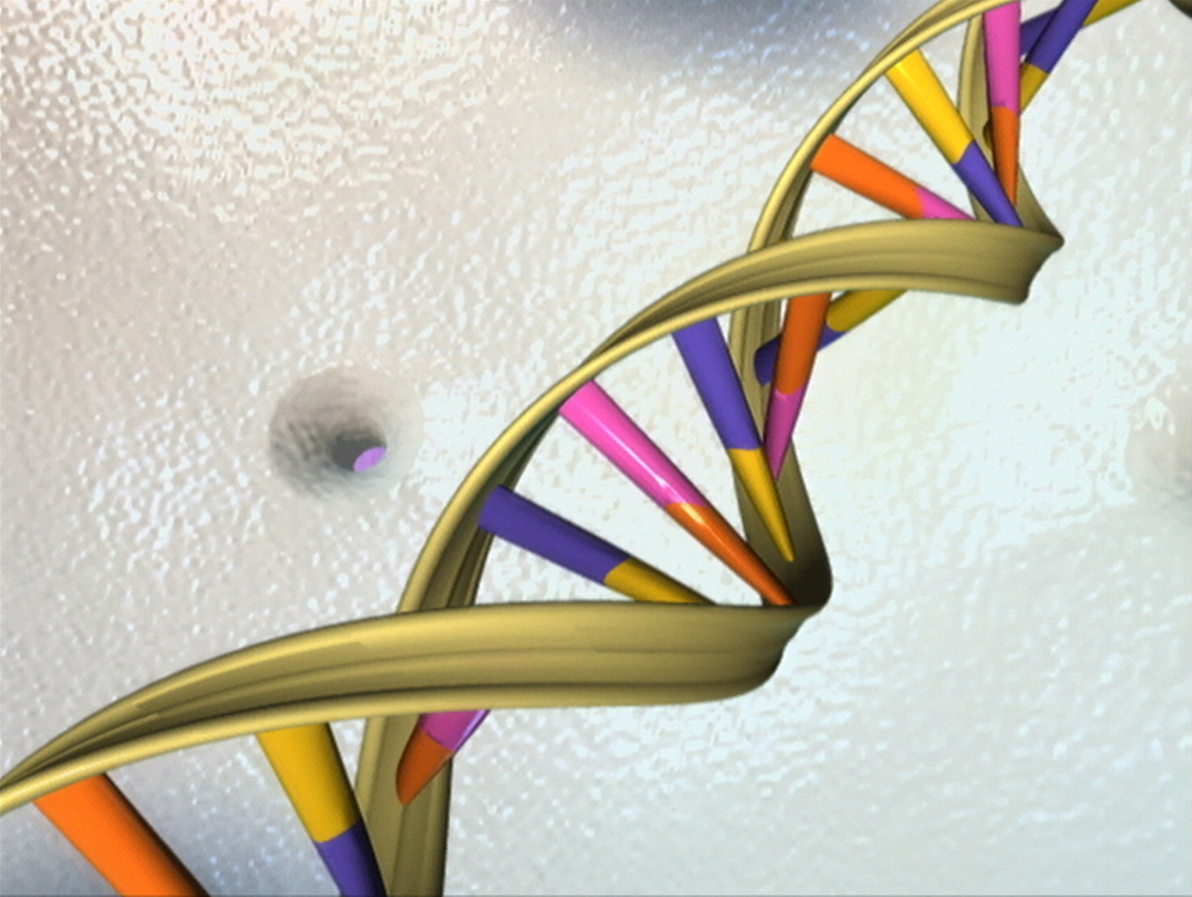
Doctors at Hannover Medical School (MHH) in Germany and Ren Ji Hospital in Shanghai have reported that an experimental gene-editing treatment corrected the genetic error behind alpha-1 antitrypsin deficiency in a patient's liver. The peer-reviewed evidence is a single-patient case report in the Journal of Hepatology, published online on 2 November 2026.
How this story was sourced.
6 sources from 6 organisations, all of them official or primary documents.
Official and primary documents 6
The body that made the decision, the paper, or the organisation’s own release.
- Journal of Hepatology Liver biopsy confirms precise and efficient correction of SERPINA1 after in vivo base editing in a patient with alpha-1 antitrypsin deficiency journal-of-hepatology.eu
- PubMed abstract of the Journal of Hepatology case report pubmed.ncbi.nlm.nih.gov
- Elsevier via EurekAlert Gene correction therapy successfully treats alpha-1 antitrypsin deficiency in vivo eurekalert.org
- Hannover Medical School via idw press release on base editing for alpha-1 antitrypsin deficiency idw-online.de
- YolTech proof-of-concept data for YOLT-202 at the European Respiratory Society Congress 2026 yoltx.com
- ClinicalTrials.gov Study of YOLT-202 in the Treatment of Alpha-1 Antitrypsin Deficiency (NCT07193615) clinicaltrials.gov
The sources as the story lists them
Sources
- Journal of Hepatology: Liver biopsy confirms precise and efficient correction of SERPINA1 after in vivo base editing in a patient with alpha-1 antitrypsin deficiency02935-1/fulltext)
- PubMed: abstract of the Journal of Hepatology case report
- Elsevier via EurekAlert: Gene correction therapy successfully treats alpha-1 antitrypsin deficiency in vivo
- Hannover Medical School via idw: press release on base editing for alpha-1 antitrypsin deficiency
- YolTech: proof-of-concept data for YOLT-202 at the European Respiratory Society Congress 2026
- ClinicalTrials.gov: Study of YOLT-202 in the Treatment of Alpha-1 Antitrypsin Deficiency (NCT07193615)
The story so far. More on Gene editing, Health and Rare disease.
- Hackers tamper with fridges storing France's blood plasma; alarms prevent losses Attackers raised temperature settings at three cold-storage sites of France's national blood service overnight on 1 to 2 November 2026, through a refrigeration contractor. The service says no blood products were lost.
- More US newborns are missing the vitamin K shot, and bleeding risk is higher, study finds A JAMA study of more than 5.2 million US births found the share of newborns not given vitamin K more than doubled between 2017 and 2025, and those infants had higher rates of bleeding, including bleeding in the brain.
- Lancet Countdown calls climate change a health emergency as heat deaths hit record The 2026 Lancet Countdown report estimates that heat was linked to about 710,000 deaths in 2023 and, for the first time, attributes more than 70% of that toll to human-caused warming.
Read next
More Science Brian Vasel/NOAA, public domain
Greenhouse gas levels reached new records in 2025, WMO bulletin says
Carbon dioxide averaged 426.8 parts per million at the Earth's surface last year, the World Meteorological Organization said on 27 October, with methane and nitrous oxide also at record highs.
 Geoff Charles, CC BY-SA 4.0
More US newborns are missing the vitamin K shot, and bleeding risk is higher, study finds
A JAMA study of more than 5.2 million US births found the share of newborns not given vitamin K more than doubled between 2017 and 2025, and those infants had higher rates of bleeding, including bleeding in the brain.
 NASA E/PO, Sonoma State University/Aurore Simonnet, public domain
NASA's Swift observatory falls to Earth after failed rescue attempt
The gamma-ray observatory re-entered over northern Sumatra on 4 November, almost 22 years after launch, after a commercial mission to raise its orbit was called off.
 John Gregoire, NASA/JPL, public domain
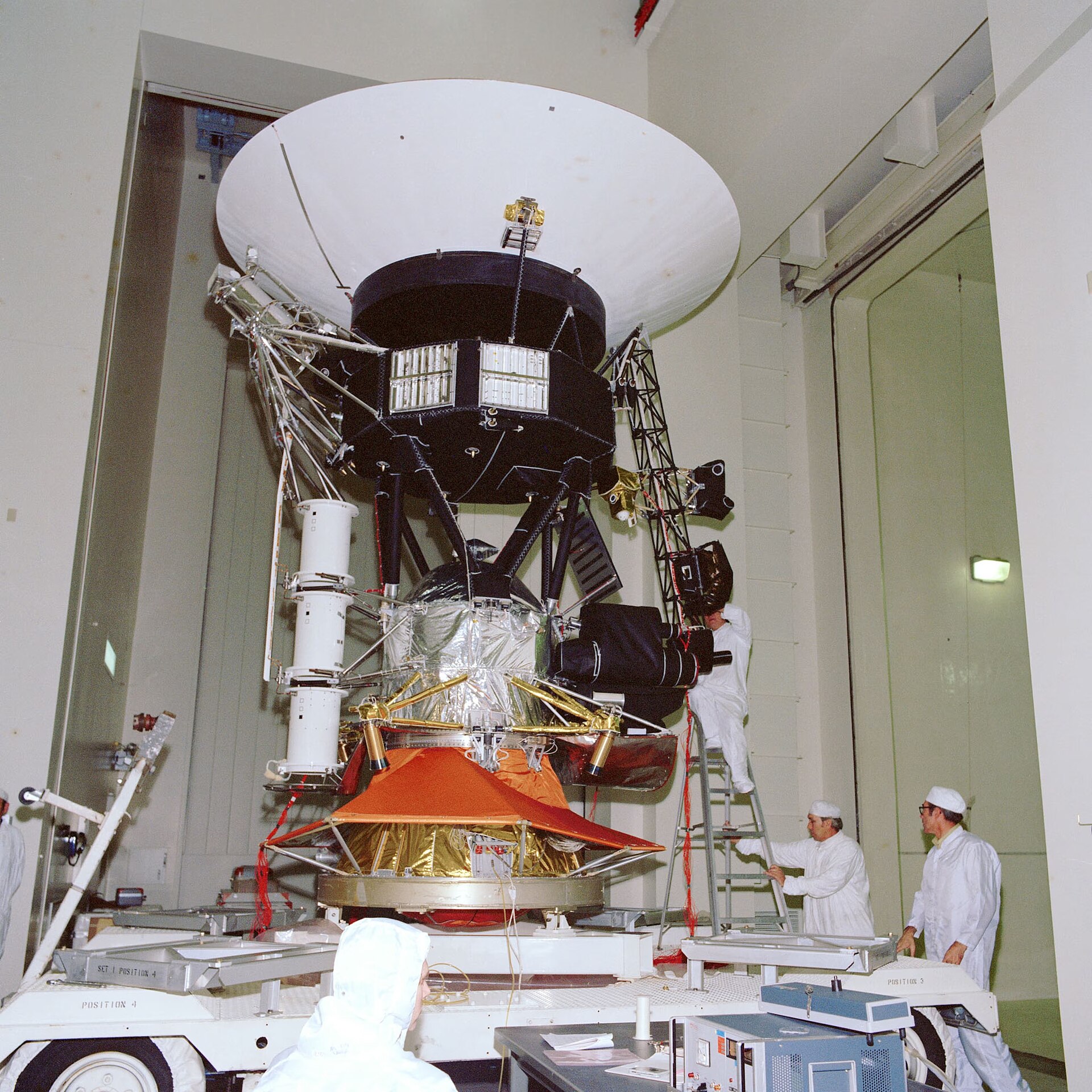
Voyager 1 will be one light-day from Earth on 18 November: what that means
NASA's most distant spacecraft is about to sit so far away that a radio signal takes a full day to reach it, weeks after a brief loss of contact and a power-saving overhaul.