
Petition to force House vote on second Epstein files bill reaches 218 signatures
A discharge petition led by Republican Rep. Thomas Massie to force a House vote on the Epstein Files Transparency Act II reached the 218 signatures needed on Wednesday, November 11, 2026, setting up possible floor action in early December.
2 min read

In this story
A discharge petition to force a House vote on a second bill concerning records about Jeffrey Epstein reached the required 218 signatures on Wednesday, November 11, 2026, according to ABC News and Roll Call.
The petition was led by Rep. Thomas Massie, a Kentucky Republican. Roll Call reported that Rep. John Garamendi, a California Democrat, provided the 218th signature, shortly after Rep. Adam Smith, a Washington Democrat.
Who signed
ABC News reported that all 214 House Democrats signed the petition, along with four Republicans: Massie and Reps. Nancy Mace and Ralph Norman of South Carolina and Brian Fitzpatrick of Pennsylvania. Roll Call reported that none of the four Republicans will return in the next Congress; Massie lost his Republican primary this year to a challenger backed by President Donald Trump. Rep. Lauren Boebert of Colorado, who backed the earlier Epstein files petition, has not signed this one, according to Roll Call.
What the bill would do
The Epstein Files Transparency Act II would allow state attorneys general, victims and members of Congress to sue the attorney general for unlawfully withholding or redacting investigative records related to Epstein, according to ABC News. Roll Call reported that the bill would also extend that right to local prosecutors and would let victims privately view unredacted versions of records that mention them.
Roll Call reported that Massie said in a statement this summer that the Justice Department was still withholding more than 3 million files it is required to release under the November 2025 law and was "maintaining heavy redactions" on others. That is Massie's claim; neither ABC News nor Roll Call reported a response from the Justice Department.
What happens next
Under House rules, the motion must sit on the calendar for at least seven legislative days before a signer can call it up, ABC News and Roll Call reported. ABC News said the speaker then has two legislative days to act, and that floor action could come after the Thanksgiving recess, potentially as early as December 2 or 3. Even if the House passes the bill, it would also need to pass the Senate and be signed by the president to become law.
Neither outlet reported a response from Speaker Mike Johnson, the Justice Department or the White House to the petition reaching 218 signatures.
Background
Massie and Rep. Ro Khanna, a California Democrat, led a discharge petition in 2025 for the original Epstein Files Transparency Act, which directed the Justice Department to release documents related to Epstein and Ghislaine Maxwell. Roll Call reported that the House passed that bill 427-1 in November 2025, the Senate followed days later and Trump signed it shortly afterwards. ABC News reported that discharge petitions have succeeded eight times so far in the 119th Congress.
How this story was sourced.
2 sources from 2 organisations.
News organisations 2
Reports by other newsrooms. Where a story was carried by another outlet, both are named.
The sources as the story lists them
Read next
More Politics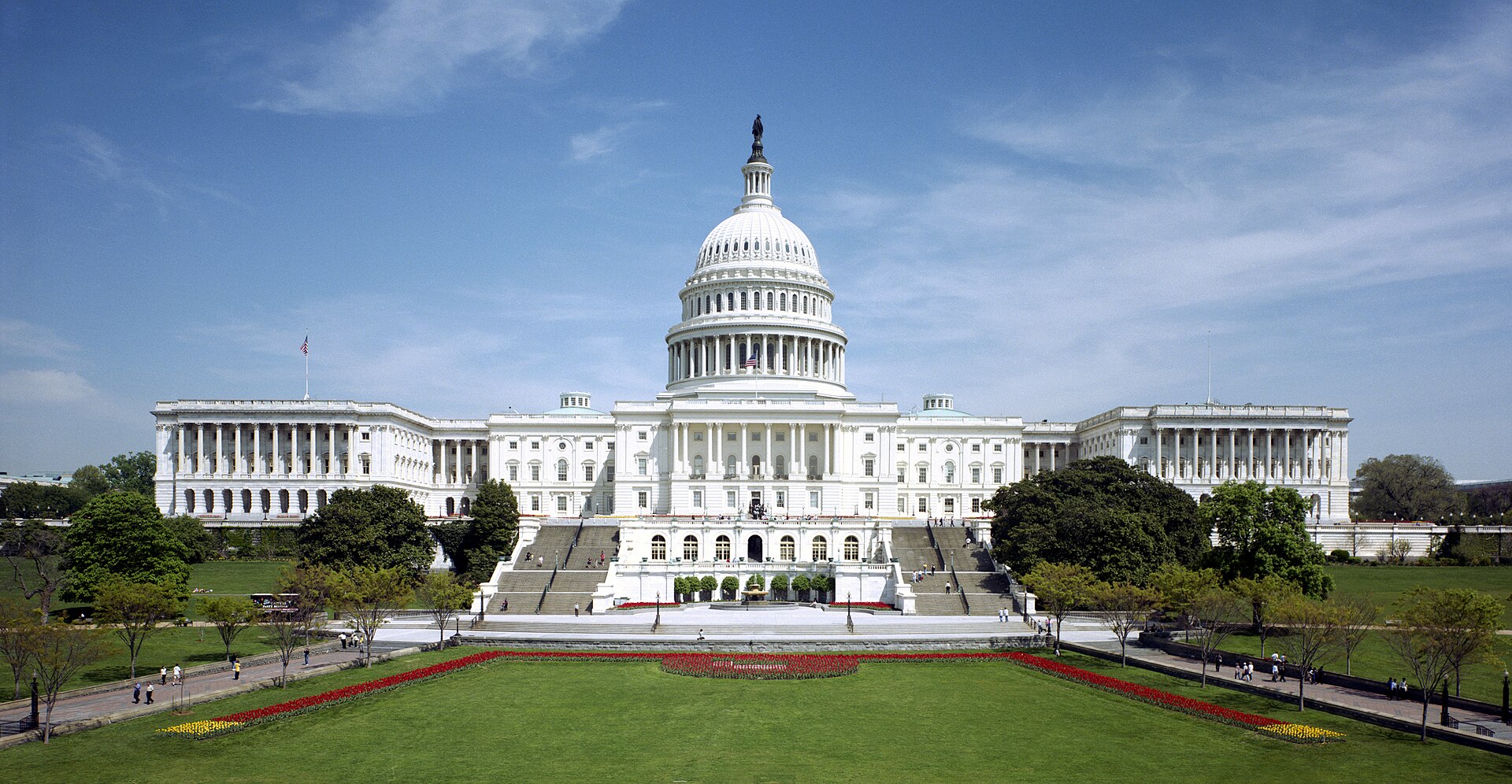 Architect of the Capitol, public domain
Democrats win control of the House and Senate in midterm elections
Democrats took both chambers of Congress from Republicans in the 3 November midterms. Two Senate races and dozens of House seats were still being counted on 5 November.
 Michael Barera, CC BY-SA 4.0
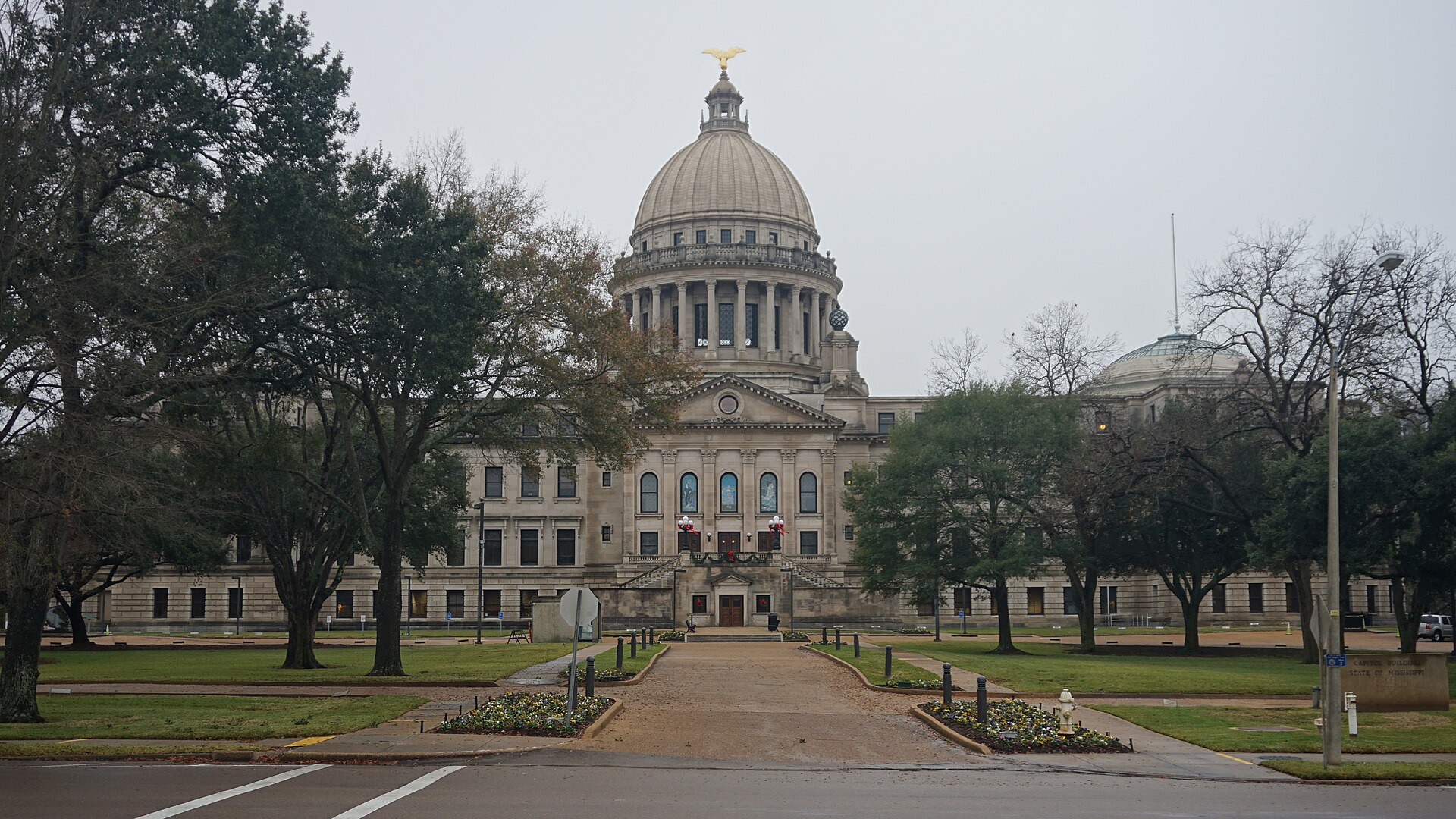
Mississippi Senate race still uncalled as Colom leads Hyde-Smith by about 1,800 votes
Democrat Scott Colom leads Republican Sen. Cindy Hyde-Smith with thousands of mail and affidavit ballots still to be counted. Both parties have sent lawyers.
 Leah Herman, House Creative Services, public domain
Alaska Senate race heads for ranked-choice count as Peltola holds narrow lead
Democrat Mary Peltola leads Republican Sen. Dan Sullivan by about 600 votes. The result may turn on ballots cast for a second candidate named Dan Sullivan, whom the Justice Department tried and failed to make the subject of a federal lawsuit.
 LoneStarMike, CC BY 3.0
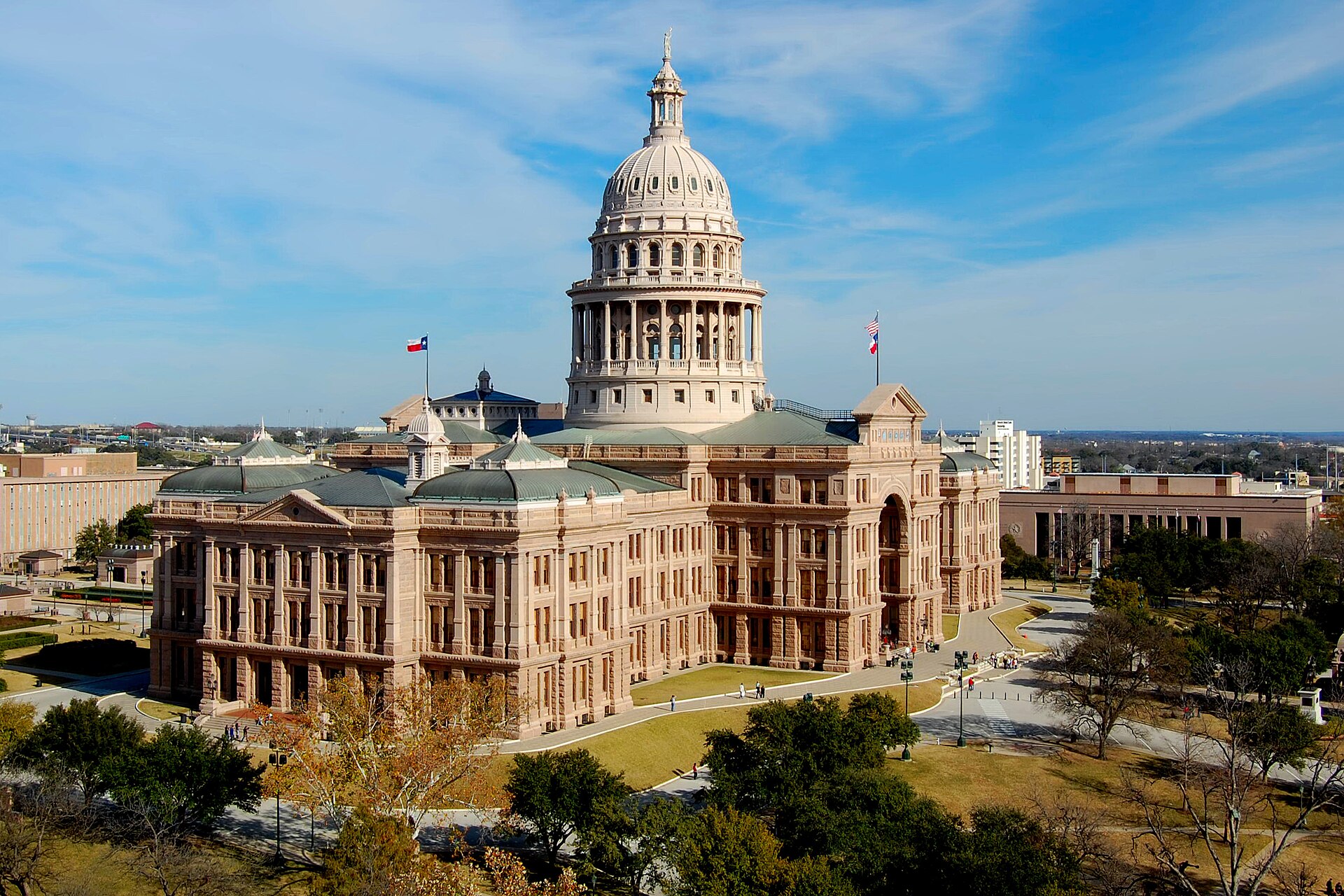
Democrats flip governorships in Texas, Ohio, Georgia, Iowa and Nevada
Democrats won at least five governorships held by Republicans, including Texas, where Gina Hinojosa unseated Gov. Greg Abbott. Kansas and Alaska were still unresolved.